Building where the drivers are
At HUAWEI CONNECT 2026 in Florence, Eldrive CEO Stefan Spassov spoke at the European EV Charging Network Forum. He told how one charger in Sofia grew into a network of more than 3,500 public charging points across Romania, Bulgaria and Lithuania, what ten years of running that network have taught Eldrive, and why those lessons led to a partnership with Huawei.

A charge point operator's story in two parts
Huawei invited Eldrive to share a charge point operator's experience with the forum. Stefan Spassov built the talk in two parts: first, how a single charger became three national networks and what ten years of running them have taught the team; second, why those lessons led Eldrive to Huawei and what the two companies are now building together.
One charger at The Mall in Sofia in 2016. Today a 720 kW shared-power system at the same location, and more than 3,500 public charging points across three markets.
Three lessons that every site, service and technology choice is tested against: reliability, convenience and locations.
Scale starts with the right partner: reliable technology that Eldrive can scale. Eldrive and Huawei share a goal of 200 MW of charging capacity.
From charging network to energy asset: smart charging today, with on-site storage and grid flexibility planned.
Eldrive in figures, as presented in Florence
The 200 MW goal belongs to the Huawei partnership. The 400+ MW target covers the whole Eldrive network and all of its technology partners.
One charger was the beginning
In 2016 Eldrive installed its first charger at The Mall in Sofia. That one charger was the whole network. Today the same location runs a 720 kW shared-power system: one power unit serving several dispensers and sending power to the cars that need it. Across Romania, Bulgaria and Lithuania, Eldrive now operates more than 3,500 public charging points.
Growth like that, Stefan Spassov told the forum, does not happen by accident. It comes from an early choice about what kind of company Eldrive wanted to be.
Pure CPO, lean by design
There are different ways to build a charging business. One is the vertically integrated route: developing your own hardware, building your own software platform, and deploying and operating the network as well. Eldrive chose a different model. It works with specialist hardware partners for the chargers and runs on a CPO software platform delivered as a service, which leaves the company free to concentrate on what it wants to be best at: developing and running the network.
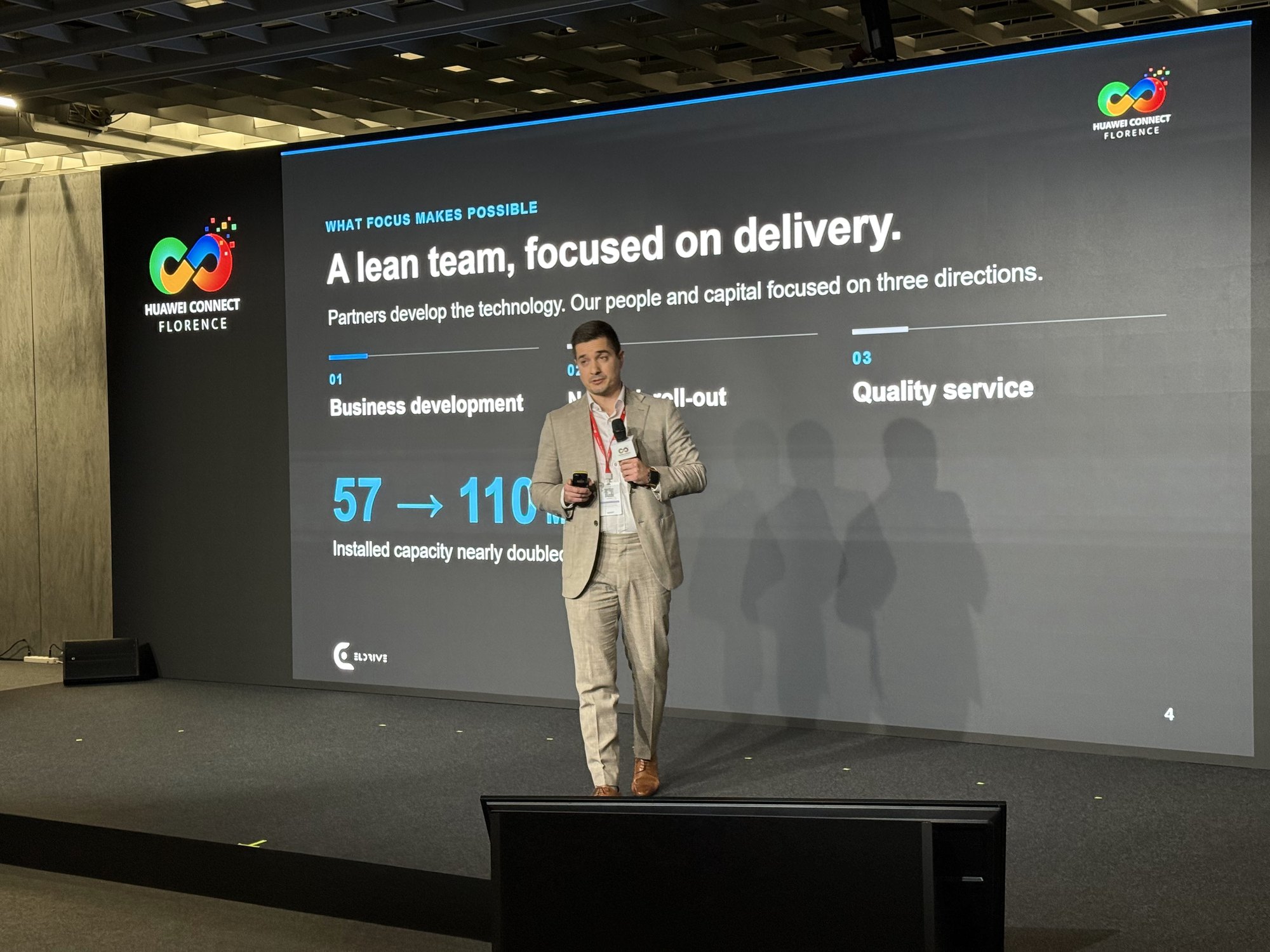
That focus gives Eldrive a lean team built around three directions: business development, network roll-out and quality service. When a team does not have to do everything, it can move quickly on the things that matter. Eldrive's installed capacity grew from 57 MW at the start of 2025 to 110 MW at the end of the year, nearly doubling in twelve months.
Speed only matters if you are building the right thing.
Three lessons: reliability, convenience, locations
Ten years of running charging networks have left Eldrive with three lessons. They are not slogans; they are the tests applied to every decision about which site to build, what service to offer and which technology to trust.
Reliability: trust starts with a successful charge
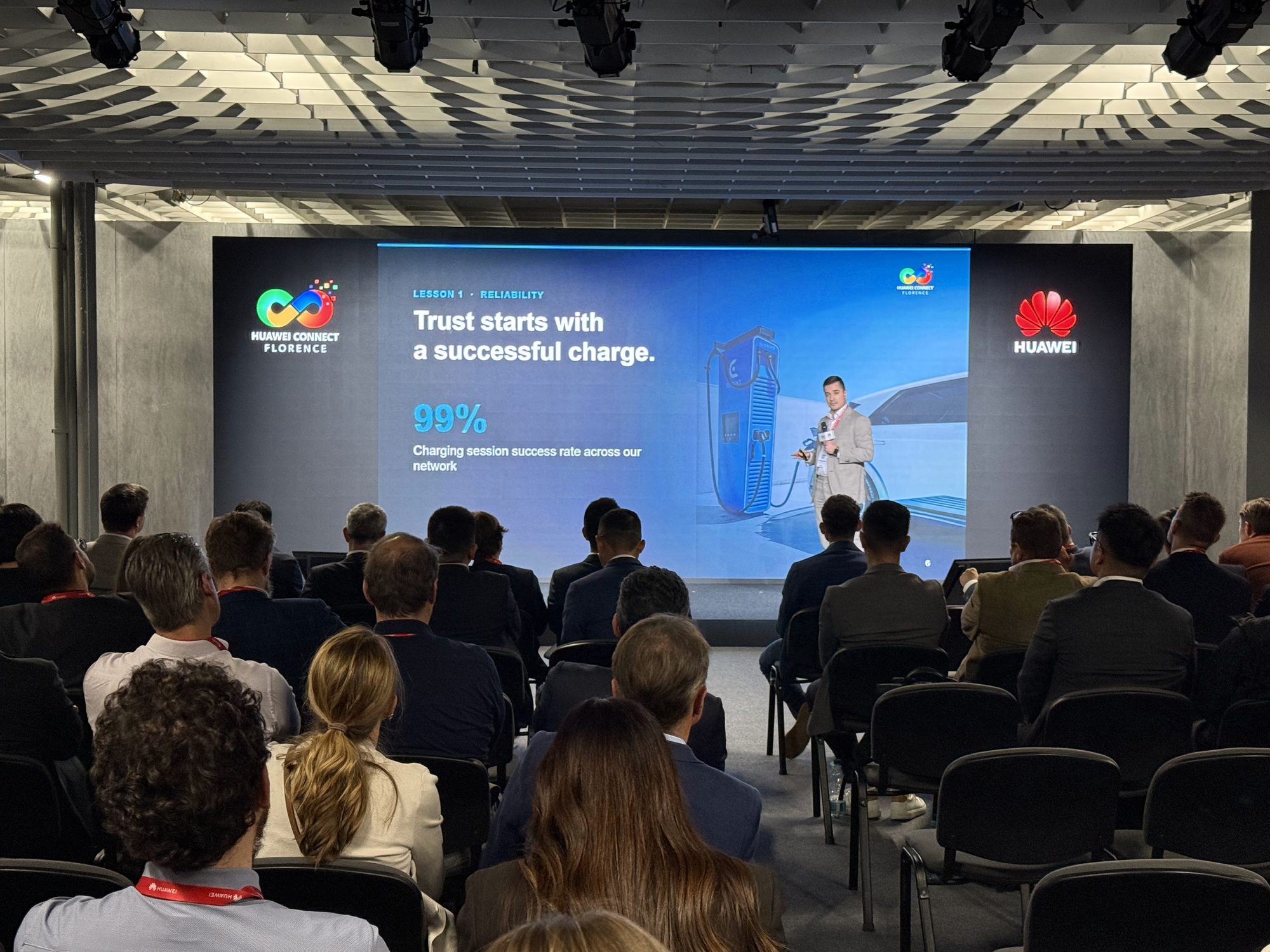
A driver who plugs in and charges without a problem comes back and tells others. A driver whose session fails remembers it for a long time. Across the Eldrive network, 99% of charging sessions are successful. That is the charging session success rate, not an uptime figure and not a figure for any single supplier's equipment.
Convenience: every stop should be easy
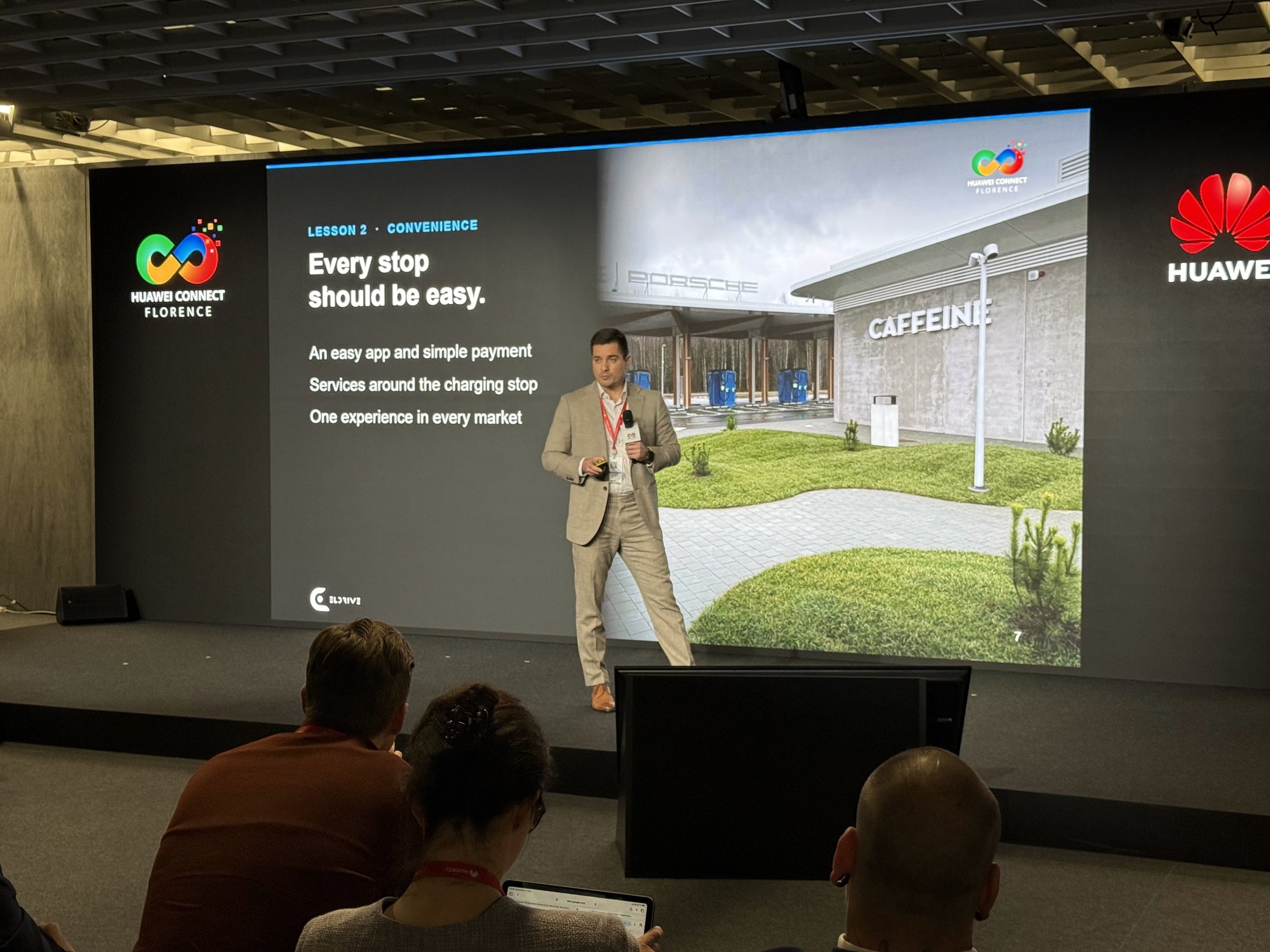
Convenience starts with an app that is easy to use and payment that just works. It continues with what surrounds the charger, from a coffee to a shop or a comfortable place to wait. And it means one experience in every market, so drivers know what to expect wherever they charge with Eldrive.
Locations: where drivers stop and where drivers travel
Destination charging serves the places people already go, such as retail parks, shopping centres and city locations, so the car charges while they shop, work or have lunch. On-route charging serves the journey itself: motorways and travel corridors where drivers need dependable power to keep going. A network that does only one of the two leaves drivers without an answer for part of their lives.

How Eldrive chooses to grow
Eldrive follows three rules for growth: aim to lead in its core markets rather than spread thin; win on value, not on price alone; and invest capital with discipline. Charging infrastructure is capital-intensive, and a lean structure does not change that. Every euro has to go into the right location, the right infrastructure and reliable service.
Scale starts with the right partner
As a pure charge point operator, Eldrive depends on specialist technology partners. It needs partners that support two things above all: reliable operation and the ability to grow the network. That is why Eldrive chose Huawei: reliable technology it can scale.
Stefan Spassov described the partnership as building infrastructure together, at scale, rather than buying individual chargers.
No technology is perfect. What matters to us is technology we can trust, site after site.
A shared goal: 200 MW
Eldrive and Huawei share a goal of deploying 200 MW of charging capacity together, using Huawei technology across Romania, Bulgaria and Lithuania. It is a joint ambition, not capacity that is already installed.
Already at work: XO Park, Sofia
The partnership is already running. XO Park in Sofia opened in January 2026 with a 720 kW system where cars and trucks charge from one grid connection. In daily operation the site has run reliably and has room to add capacity as demand grows. That experience gave Eldrive the confidence to take the same approach to more locations.
From projects to a regional rollout
By the end of 2027, Eldrive plans around 100 Huawei-equipped locations: 47 in Romania, around 35 in Bulgaria and 18 in Lithuania. At three or four sites, choosing a technology is a project decision. At around 100 locations it becomes a network decision, which is why reliability weighed so heavily in choosing a partner.
The whole network keeps growing
The partnership sits inside a bigger picture. Across all of its technology partners, Eldrive finished 2025 with 110 MW installed, up from 57 MW at the start of the year. The network's public targets are 220 MW by the end of 2026 and more than 400 MW by 2028.
From charging network to energy asset
As the network grows, a new question comes up: how to manage energy, not only chargers. Charging networks are becoming significant electricity assets, with large power demand, sharp peaks and direct exposure to energy prices. Smart charging already matches the load to the power available. On-site storage, to buffer the grid connection and let a site grow sooner, and grid flexibility, so that chargers and storage can support the grid, are the planned next steps. Battery storage projects are in development across Eldrive's markets.
We will keep building where the drivers are.


HUAWEI CONNECT 2026 in Florence
HUAWEI CONNECT is Huawei's flagship European event. Its 11th edition took place at the Fortezza da Basso in Florence on 15–16 October 2026 under the theme “Advancing Intelligent & Green Europe”, with two days of keynotes, summits and exhibitions on AI, digital transformation and sustainable growth. The European EV Charging Network Forum met on 15 October in Hall EM5 of the Spadolini Pavilion.
Charge with Eldrive
Eldrive builds and operates public EV charging in Romania, Bulgaria and Lithuania. Talk to our team about charging for your business, or find a charging location near you.


